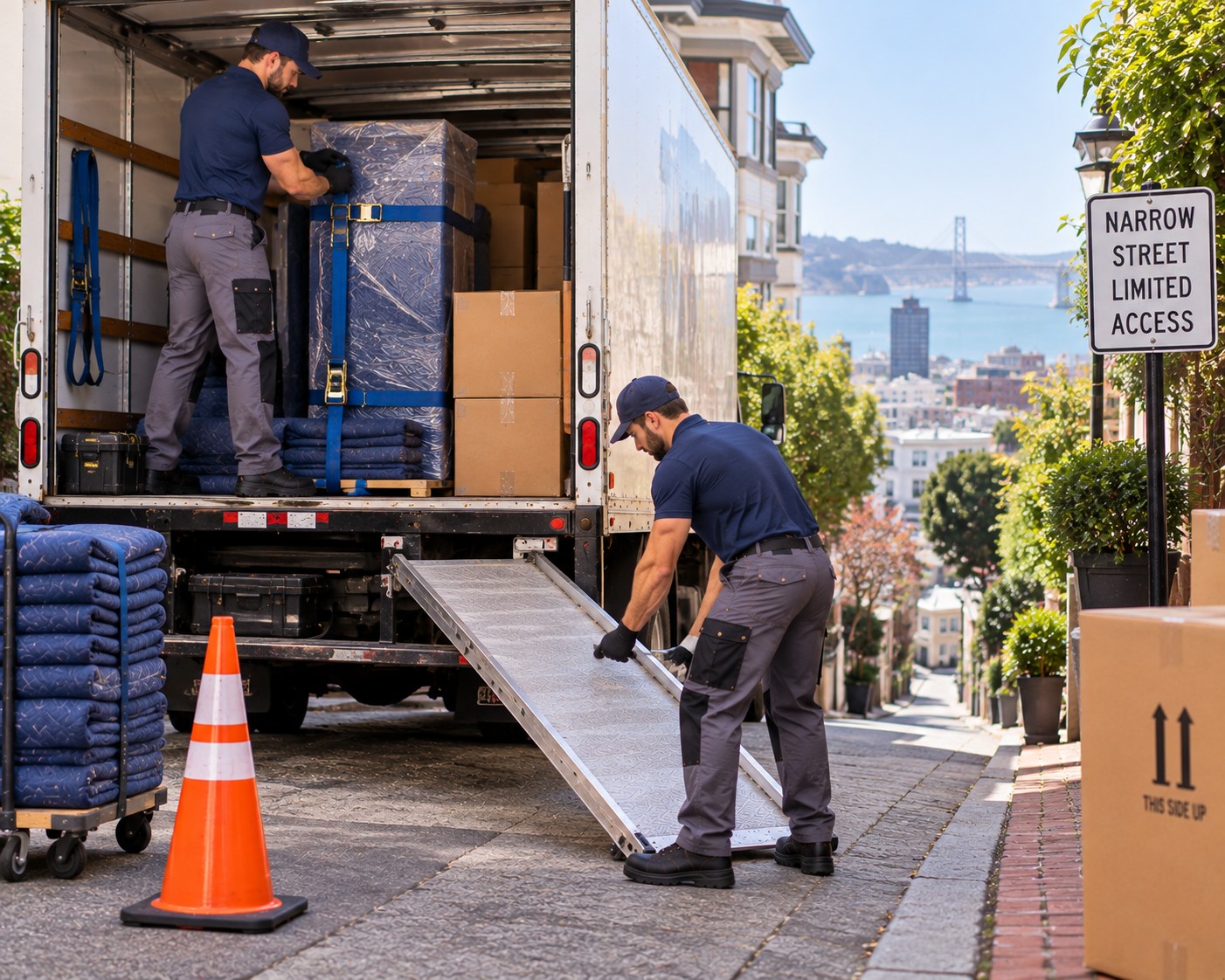
Vehicle transport becomes more complicated when the destination is located on a narrow street, behind a gated entrance, inside a crowded residential complex, or along a road unsuitable for a large carrier. In these situations, successful delivery depends on more than arranging transportation. The vehicle owner and transport provider must understand the final approach and create a practical unloading plan before the shipment begins.
A little preparation can prevent delays, additional handling, and last-minute confusion. Price Movers offers vehicle transportation solutions for different types of vehicles and relocation circumstances. General service information is available at https://pricemovers.com/ and can help owners begin planning the move.
Identify Access Restrictions Early
The first step is to inspect the destination rather than assuming the carrier can reach the exact address.
Measure the Entrance and Roadway
Check the width of the entrance, the height of overhead structures, and the space available for turning. Narrow driveways, low bridges, sharp corners, and parked vehicles can create serious obstacles for large transport equipment.
If the property is located on a private road, ask whether heavy trucks are permitted. Some communities have weight limits, restricted delivery hours, or rules requiring advance permission.
Check Gates, Garages, and Security Controls
A gated neighborhood may require a code, visitor authorization, or a scheduled arrival time. If the vehicle will be delivered to a building with controlled access, contact the property manager ahead of time.
Provide the carrier with accurate instructions rather than waiting until the driver arrives. This is especially important when the driver cannot enter without assistance from a resident or security employee.
Choose a Suitable Delivery Point
The vehicle does not always need to be unloaded directly in front of the destination property. When access is limited, a nearby safe location may be the better choice.
Consider a Wider Nearby Street
A larger road, open parking area, commercial lot, or approved staging location may provide enough space for the carrier to position safely. The alternative location should be legal, accessible, and close enough for the owner to complete the final portion of the delivery.
Do not select a location solely because it looks convenient on a map. Confirm that parking is permitted and that the carrier will have enough room to maneuver.
Coordinate With the Property Owner
If the destination belongs to an apartment complex, office park, condominium association, or gated community, speak with the responsible contact before transport. They may know about loading zones, truck restrictions, temporary permits, or time windows for large vehicles.
Prepare the Vehicle for a Short Final Move
If the carrier must unload at a nearby location, the vehicle should be ready for the final drive or transfer.
Check that the battery is charged, the tires are properly inflated, and the vehicle has enough fuel or battery power to reach the destination. Make sure the keys are available and that any alarm or immobilizer system can be managed when necessary.
For inoperable vehicles, the plan may require a tow truck, winch, smaller carrier, or specialized unloading equipment. Inform the transport company about these conditions before pickup.
Share Detailed Instructions With the Transport Provider
Clear information helps the carrier select the right equipment and avoid an unsuccessful delivery attempt. Explain whether the destination includes:
- A narrow residential street
- A steep driveway
- A low clearance entrance
- A gated community
- A restricted parking area
- A tight turning circle
- A private or unpaved road
- A building with scheduled loading hours
Price Movers provides vehicle transport services for cars, motorcycles, recreational vehicles, boats, and other vehicle categories. Its vehicle transportation page, https://pricemovers.com/services/vehicle-transport-services, outlines options for arranging specialized delivery and discussing individual transport requirements.
Confirm the Arrival Plan Before Shipping
A delivery plan should include the expected arrival window, contact person, unloading location, and backup option. Keep your phone available on delivery day so the driver can reach you if road conditions or access restrictions require a change.
It is also useful to photograph the destination entrance and send those images to the transport provider. Pictures can reveal obstacles that are difficult to describe accurately in writing.
When a destination has limited access, preparation is part of the transportation service itself. By checking restrictions, selecting a workable unloading point, preparing the vehicle, and communicating detailed instructions, owners can make delivery safer and more efficient. A realistic access plan gives the carrier the information needed to complete the final stage without unnecessary delays.