Announcing a cultural boycott of Israel and artists complicit with its crimes in Gaza is easy. There are plenty! Agreeing on what complicity actually means isn’t. In recent weeks, two artists, the Irish novelist Sally Rooney and the Israeli filmmaker Nadav Lavid, were attacked for it. Rooney announced that she had finally found a way to publish in Hebrew by working with Israeli publisher November Books in conjunction with 972 Magazine; both companies are in compliance with the guidelines of the boycott, divestment, and sanctions (BDS) movement. A longtime critic of Israeli policy, she held off for years until she could find the right publisher.
Read more State Attorneys General Can Block the Paramount-Warner Merger
BDS-approved or not, Palestinian poet and Nation contributor Muhammed El-Kurd quickly answered the announcement on X.com: “Ridiculous—Creating loopholes to bypass sanctions. The point of sanctions, including cultural, is to create conditions that lead Israelis to pressure their governments and leaders.” Novelist Susan Abulhawa scoffed at the idea of 972 as an independent publisher. While recognizing 972 as a “solidarity group,” Abulhawa posted: “Independent from what? I assume they pay taxes to the zionist [sic] colony, right? that they, like all Israelis, serve in the Zionist colonial military, right? and their children too, right?”
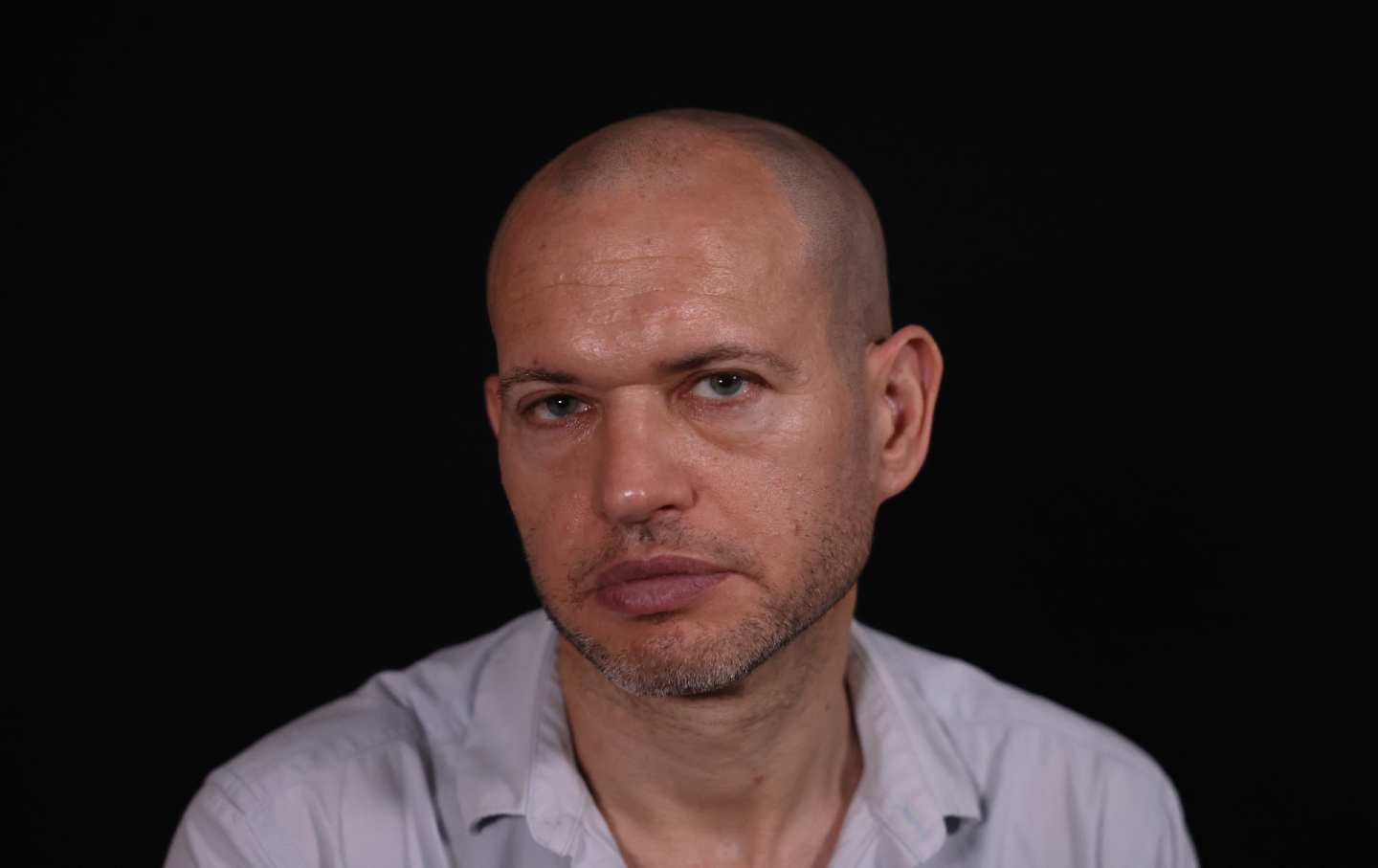
That Rooney’s publisher’s employees in Israel comply with Israeli law was apparently enough to undermine Rooney’s decision. Meanwhile, film director Nadav Lapid, an arch-critic of his homeland, Benjamin Netanyahu, and the war in Gaza, came in for a more concerted campaign of public repudiation—and a boycott in his own right. He currently lives in self-exile in France and came up against a lot more than social-media posts at the Marseille International Film Festival when the festival named him a judge this year. A dozen filmmakers began withdrawing their films because of his presence, and members of Le Palastine Sauvra Cinema, a pro-Palestinian filmmaker activist group issued an ultimatum: Either he would have to go or they would.
Lapid’s previous films include the autobiographical Synonyms (2020), which won the Golden Bear at Berlinale, about living abroad and escaping his Israeli past. His latest, Yes (2025), is a brutal satire of Israeli nationalism during the war in Gaza. It focuses on a broke Israeli musician with a wife and baby to support who is offered a small fortune by a Russian oligarch to write a new anthem celebrating Israel’s massacre in Gaza. It skewers Israel’s ultra-nationalism and its self-absorbed, materialistic citizens who uncritically endorse the country’s apartheid status quo and can simply turn the channel to avoid any serious confrontation with Israel’s violent eradication of Gaza.
Those who organized to block Lavid’s presence know this. Their chief objection, among others, comes from the same rationale that triggered the backlash against Rooney: Yes was partially funded for by the Israel Film Fund, a government agency. The authors of Le Palastine Sauvra Cinema’s statement wrote that they “rejected the festival’s insistence on creating a balance, in their invitations and programming, between Palestinian and Israeli productions…as if they were strictly equivalent, erases power relations, history and material conditions,” One festival participant who objected to Lapid’s presence, Narimane Mari, an Algerian director who withdrew her film, told Le Monde, “We are not condemning a human being—we are refusing a cultural and political model that continues to be maintained.”
Perhaps, but a human being remains the only focus of this erasure. Le Palastine Sauvra Cinema states on its website, “To be complicit is to profit from, collaborate in, or contribute to the normalization of serious and ongoing violations of international law, whether through economic partnerships, cultural or academic exchanges, political support, or through silence and inaction.” Variety says the Israel Film Fund is “the country’s primary source of financing for Israeli and Palestinian films, and operates independently from the government.”
Certainly, no one in Netanyahu’s government would spend a dime on Yes if they could help it. Lapid’s defenders in the filmmaking world—including Natalie Portman, Justine Triest (The Fall), Marina Fois, Rebecca Zlotowski, Jacques Audiard, Bertrand Bonello, Mikael Buch, Michel Hazanavicius—replied in an open letter arguing that no artist should be “threatened with erasure in order to atone for crimes committed by governments whose fiercest critics they are often among.” They call him “the greatest Israeli dissident artist, working tirelessly to denounce the fascist and colonialist excesses of his government, its criminal moral failures, in films that have won awards all over the world” and close by saying, “Those who call for artists to be completely erased from the public sphere must be opposed. Cinema must be that refuge.”
Read more Trump’s Iran Deal Is a Humiliation for Him—and Good News for the World
Lapid agreed to step back as a judge, but kept a role at the festival teaching a masterclass on his debut film, Policeman (2011). When even that was too much, he withdrew from the festival. Lapid sympathizes with those protesting—to a point. He told Le Monde he sees the protest coming from “powerlessness, anger and immense frustration at the political inaction around Gaza.… The real issue is genuine political sanctions against the Israeli state—which I have supported for years.” However, he added, “I asked myself: what exactly do they want? That I stop making films? That I leave France? How far will this go?”
As with the criticism of Rooney, it does not matter what Lapid’s personal views are; he has failed a political purity test with an impossible standard. That’s why those defending him deem cultural boycotts “an intellectual failure.”
In a cultural and political dialogue largely lost on the general public, the Marseille fiasco seemed to answer the Berlinale festival from earlier this year. Berlinale is largely funded by the German government. In view of that backing, and Germany’s support of Israel during its invasion of Gaza, the panel of festival judges was asked in February by journalist Tilo Jung how they felt about the festival’s “selective solidarity” with Ukraine and Iran but never with the people of Palestine, and about “the German government’s support of the genocide in Gaza.”
The firestorm that followed came from Wim Wenders’s response, “We have to stay out of politics because if we make movies that are dedicatedly political, we enter the field of politics.” A lengthy, 80-signature petition from artists like Mark Ruffalo, Javier Bardem, and Tilda Swinton answered Wenders. Producer Ewa Puszczyńska (Zone of Interest, Fatherland) also responded to Wenders, but her statement was lost amid the broader celebrity backlash. She said, “We cannot be responsible for what their decision would be to support Israel or the decision to support Palestine. There are many other wars where genocide is committed, and we do not talk about that. So this is a very complicated question and I think it’s a bit unfair asking us what do you think, how we support, not support, talking to our governments or not.”
That reply highlighted a key imbalance in the present battle over Gaza-related cultural boycotts: They often place the brunt of public responsibility on the artists, not the policymakers. When La Palestine Sauvera le Cinema issued its statement objecting to Lapid, it was titled, as if in direct answer to Wenders, “Yes, Cinema is Political.”
Yes, but political how? Political in content, or political in that the advocates of these boycotts are using politics to silence a fellow filmmaker? At Marseille, we found out.
Read more Separation of Church and State: America’s Best Idea