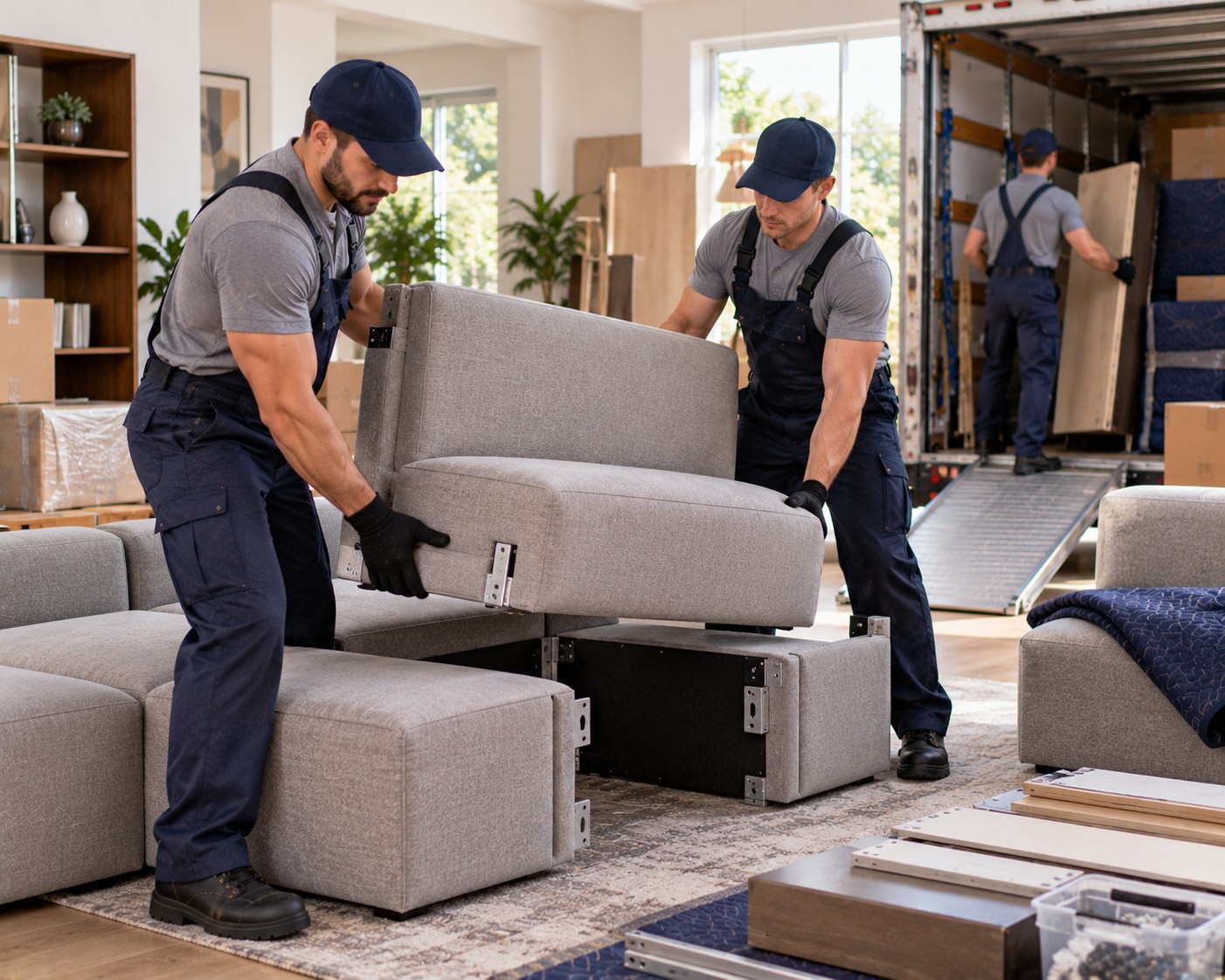
Modular furniture is designed to adapt. A sectional sofa can be rearranged, a shelving system can expand, and a home office can be rebuilt around a different room. Yet the flexibility that makes modular furniture attractive can also make it complicated to relocate. Multiple panels, connectors, brackets, cushions, and hardware pieces must arrive safely and be assembled in the right order.
Professional movers treat these items as a coordinated system rather than a collection of unrelated parts. With experienced hawaii moving services, homeowners can prepare modular furniture for transportation while protecting its structure, finish, and original configuration.
Understanding the Furniture Before Moving Day
The first step is identifying how each modular piece is constructed. Some furniture uses simple bolts and dowels, while other systems rely on hidden brackets, locking rails, clips, or specialized connectors.
Movers may inspect the furniture and determine whether it should be moved fully assembled or separated into sections. A large modular sofa, for example, might be easier to carry as individual units. A lightweight shelving system may travel safely in larger sections if its joints are secure.
Photographing the Original Arrangement
Before anything is taken apart, photographs can help document the furniture’s original layout. Images of the front, back, underside, and connection points can be useful during reassembly.
This is particularly important when several modules look almost identical. A quick visual record can show which panel belongs on the left, which shelf fits a particular bracket, or how the sections of a sectional sofa connect.
Taking Apart the Right Components
Disassembly should be strategic. Removing every possible part is not always the safest option, because excessive handling can increase the chance of lost hardware or damaged joints.
Professional movers usually focus on components that affect weight, size, or access. Table legs, removable shelves, sofa connectors, cabinet doors, and detachable panels may be separated when doing so makes the item easier to protect and carry.
Hawaii to California Movers may also consider the full transportation route when deciding how modular furniture should be prepared. A piece moving through several handling stages benefits from secure packaging and clearly organized components.
Keeping Hardware With Its Furniture

Small hardware is one of the easiest things to lose during a relocation. Screws, brackets, clips, bolts, and specialty tools should be placed in labeled bags and kept with the correct furniture unit.
A useful label can include the furniture name, module number, and assembly location. For example, “Office Shelf — Unit B — Upper Connector” is more helpful than a general label such as “hardware.”
Protecting Panels, Edges, and Finishes
Modular furniture often contains exposed edges that can chip or scratch during loading. Glossy finishes, laminate surfaces, natural wood, glass inserts, and painted panels require different forms of protection.
Movers can use furniture blankets, corner guards, foam sheets, and protective wrap to reduce contact between surfaces. Panels should not be stacked carelessly, especially when their weight could press against decorative faces or delicate edges.
Glass shelves and doors should be wrapped separately and marked clearly. Heavy components should also be positioned so they do not place unnecessary pressure on lighter sections.
Loading Modular Furniture Efficiently
Once the furniture is separated and protected, the loading sequence becomes important. Larger panels may need to be placed where they will not be crushed by heavier household goods. Cushions and fabric sections should be protected from moisture, dirt, and sharp objects.
The moving team may group pieces according to their final room or assembly order. This helps avoid a situation in which the main cabinet arrives before its shelves, or a sofa section is delivered without the connectors needed to secure it.
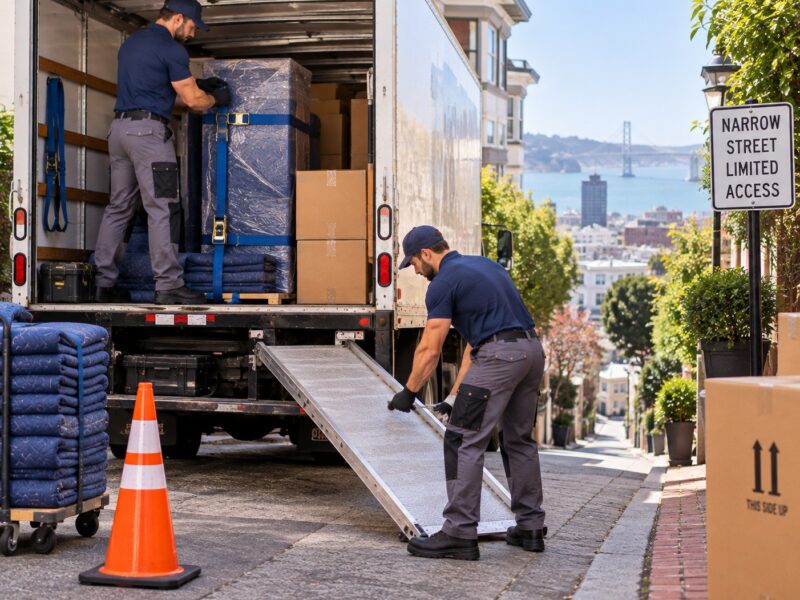
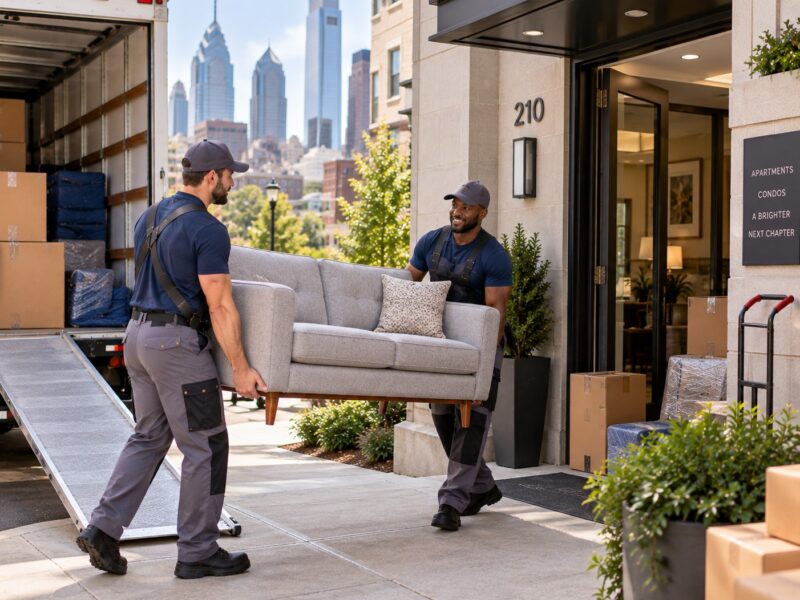
Reliable hawaii moving services can also help homeowners plan around narrow hallways, staircases, elevators, and limited parking access. Modular furniture is easier to manage when its dimensions are considered before moving day rather than during an unexpected obstacle.
Rebuilding the Layout at the New Home
At the destination, reassembly should begin only after the furniture’s location has been confirmed. Floors and walls may need protection while pieces are positioned, especially when large shelving or office systems are involved.
The original photographs, labels, and hardware bags can make reconstruction faster and more accurate. Homeowners may also choose to change the configuration, taking advantage of the furniture’s modular design.
With the right preparation, modular furniture can arrive ready for its next arrangement instead of becoming a confusing pile of disconnected parts. Careful disassembly, protective packing, organized hardware, and thoughtful loading allow the furniture to retain both its usefulness and its design flexibility.
One thought on “More Than Flat-Pack Boxes: Moving Modular Furniture Without Losing the Design”